
The Family Recovery Conversation & Action Kit
A family toolkit for conversations, boundaries, support, and practical next steps when substance use is a concern.
$29View details
Explore printable family recovery tools for substance-use conversations, practical boundaries, support without rescuing, treatment questions, and next-step planning.
When substance use is a concern, families may move between fear, urgency, anger, rescuing, and silence. A single conversation cannot control another person’s recovery. It can, however, separate an emergency from a difficult discussion, name observable concerns, make support specific, and set a boundary that the speaker is prepared to keep.
These educational tools are designed to bring more structure to that process. They use recovery-oriented, non-shaming language and focus on practical actions: how to open a conversation, how to distinguish support from overfunctioning, what questions to bring to treatment providers, and how to plan the next family check-in.
Each product page shows the exact contents, intended use, price, delivery format, educational boundaries, and license before checkout.
A family toolkit for conversations, boundaries, support, and practical next steps when substance use is a concern.
A practical guide for supporting someone through emotional intensity while preserving boundaries, consistency, and your own capacity.
A harm-aware workbook for mapping relief-seeking patterns involving scrolling, spending, food, substances, conflict, avoidance, or other fast escapes.
Get the ADHD Connection Reset, ADHD Daily Reset Planner, and Family Recovery Conversation & Action Kit together.
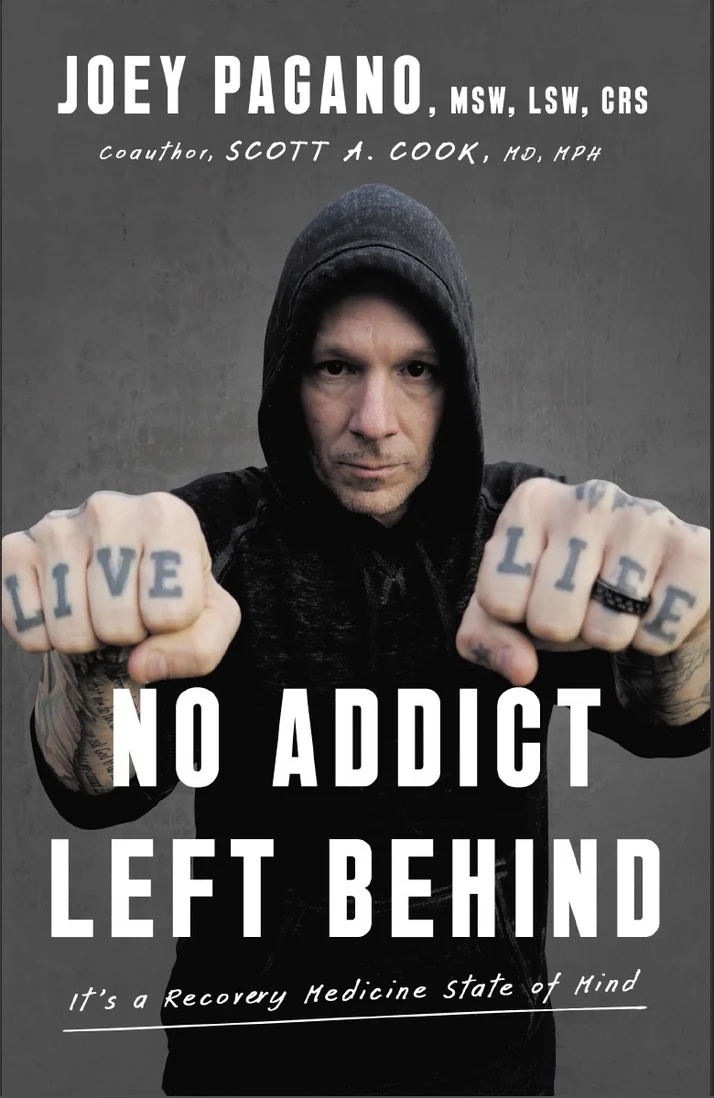
It's a Recovery Medicine State of Mind
A recovery-centered call to replace stigma with compassion, understanding, lived experience, and practical change.
Book details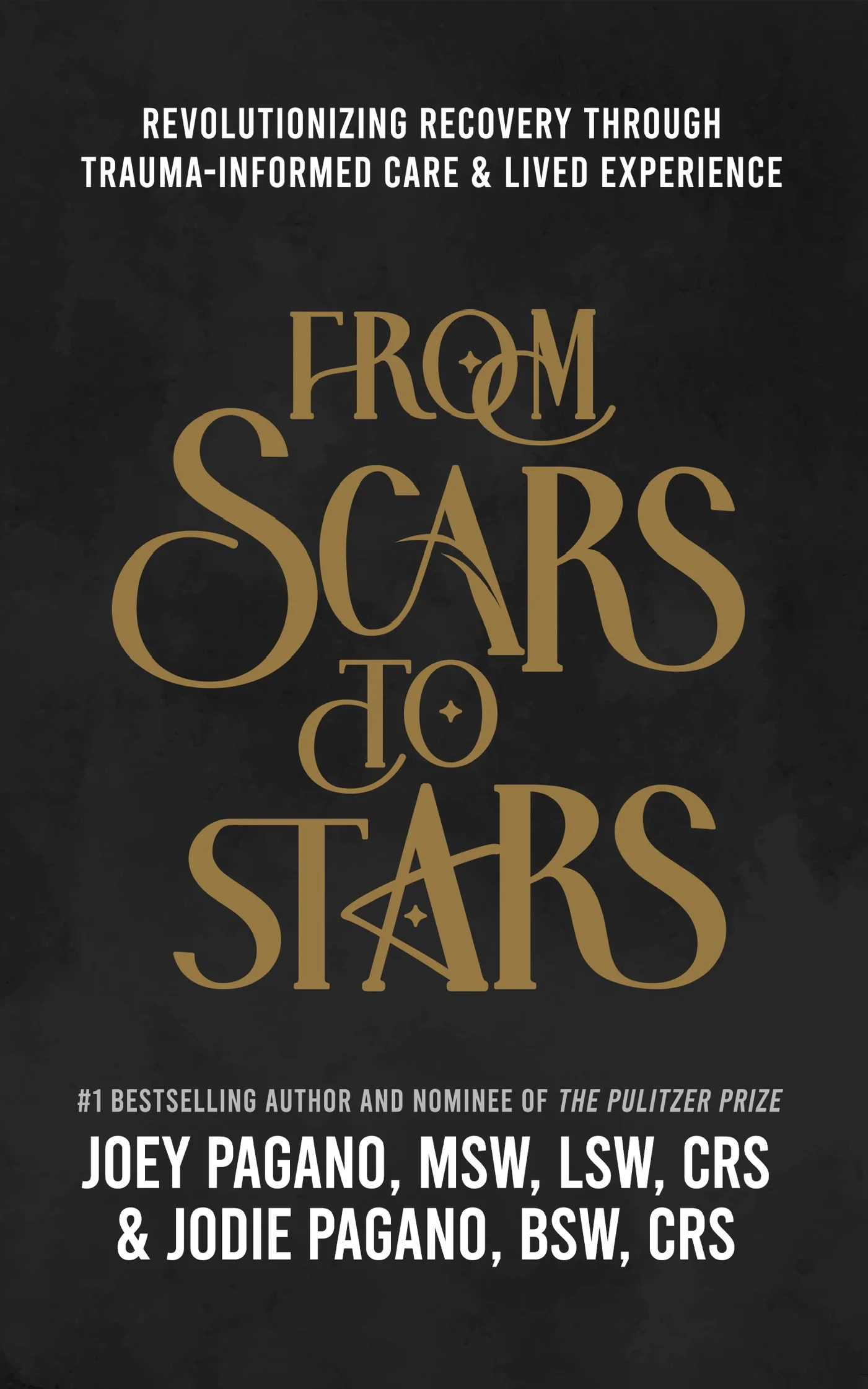
Revolutionizing Recovery Through Trauma-Informed Care & Lived Experience
A personal and professional exploration of trauma, addiction, healing, lived experience, and hope.
Book detailsThese resources do not diagnose, prescribe treatment, replace individualized care, or provide crisis, legal, regulatory, accreditation, or human-resources advice.
Immediate danger, overdose risk, or a medical or psychiatric emergency requires an emergency response—not a worksheet or a planned family meeting. A non-emergency concern may be better approached with a short, observable opening: what happened, what impact you noticed, what support you can offer, and what action you will take to protect your own safety or stability.
The Family Recovery Conversation & Action Kit includes an emergency-versus-conversation decision page, observation-based openings, behavioral boundaries, relapse-response planning, treatment questions, and a seven-day reset. It is designed to make the next discussion more specific, not to guarantee another person’s response.
A boundary is clearer when it names what you will do rather than trying to force somebody else’s decision. Support is clearer when it states what is available, what is not available, and when the offer can be revisited. Consistency matters more than finding perfect words in one emotional moment.
The Steady Support Kit focuses on validation, capacity, limits, and follow-through. The Relief-Seeking Pattern Map offers a neutral way to examine cues, promised relief, real costs, and safer options without glamorizing or prescribing substance use.
No Addict Left Behind and From Scars to Stars explore recovery, stigma, trauma-informed care, lived experience, dignity, and systems change in greater depth. The books are sold separately through Amazon; availability, formats, shipping, and pricing are controlled by Amazon.
No resource can guarantee another person’s decision. The tools help families prepare clearer conversations, support offers, boundaries, and next steps.
No. They are educational downloads. Use emergency and local crisis resources for immediate danger, and licensed professionals for individualized care.
No. Books are purchased separately through Amazon, while digital tools are purchased and delivered through Lemon Squeezy.